
In the evolving landscape of modern agriculture, the efficient use and management of irrigation water has become pivotal for sustaining productivity while conserving vital resources. With the advent of innovative irrigation techniques and participatory approaches, farmers worldwide are experiencing transformative changes in how they irrigate their crops. This comprehensive exploration delves into the heart of advanced irrigation management, highlighting the significance of participatory irrigation management, drip irrigation, sprinkler irrigation, and various irrigation systems in optimizing water use for agricultural success.

As we break ground on our latest irrigation projects, I’m inspired by the dedication and vision each of you brings to the field. Witnessing canals take shape, pipes being laid, and control systems coming online reminds me that together, we are not just installing equipment—we are building the foundations for future harvests, stronger communities, and lasting prosperity.
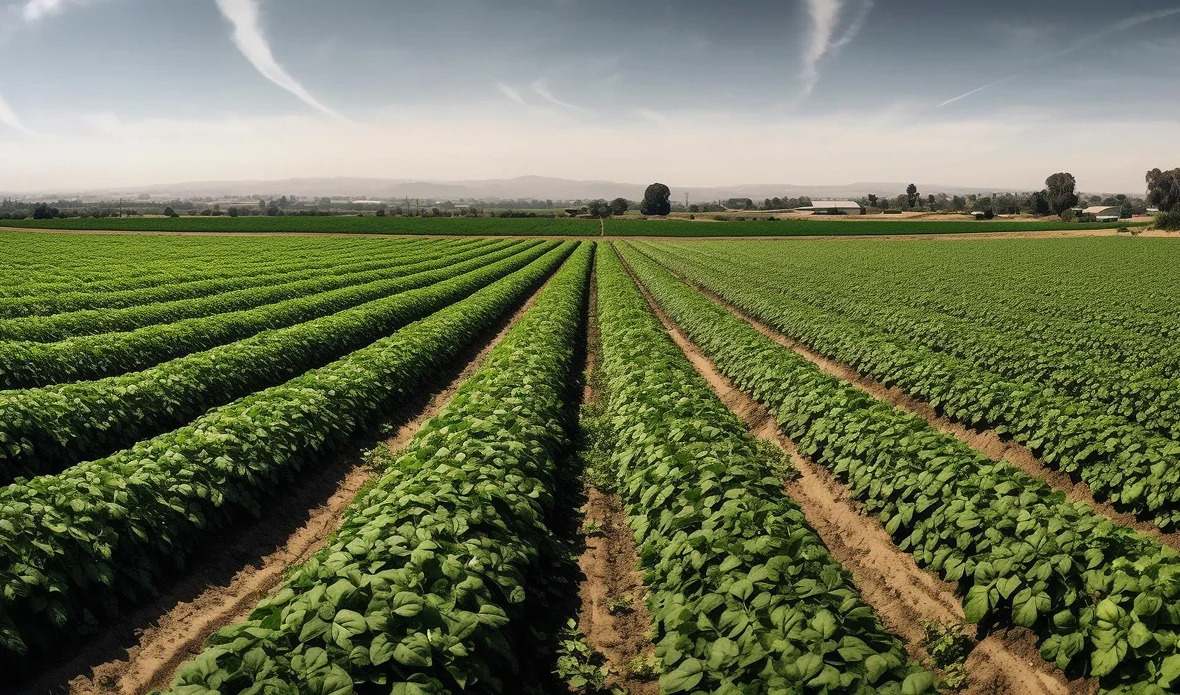
Have questions about how our tailored irrigation solutions can enhance your operations? Below, you’ll find detailed answers to the most common queries from system selection and installation timelines to automation features and ongoing support.
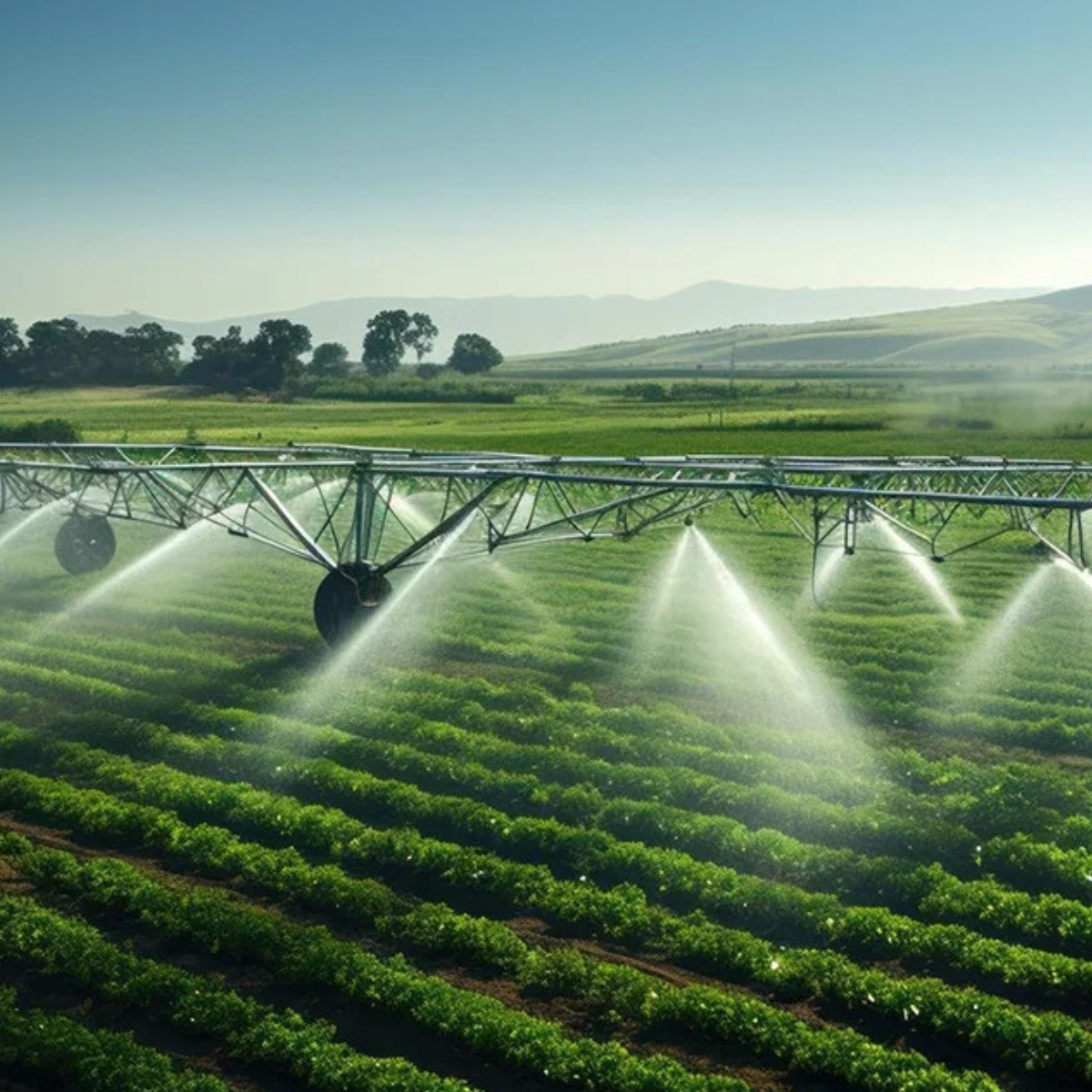
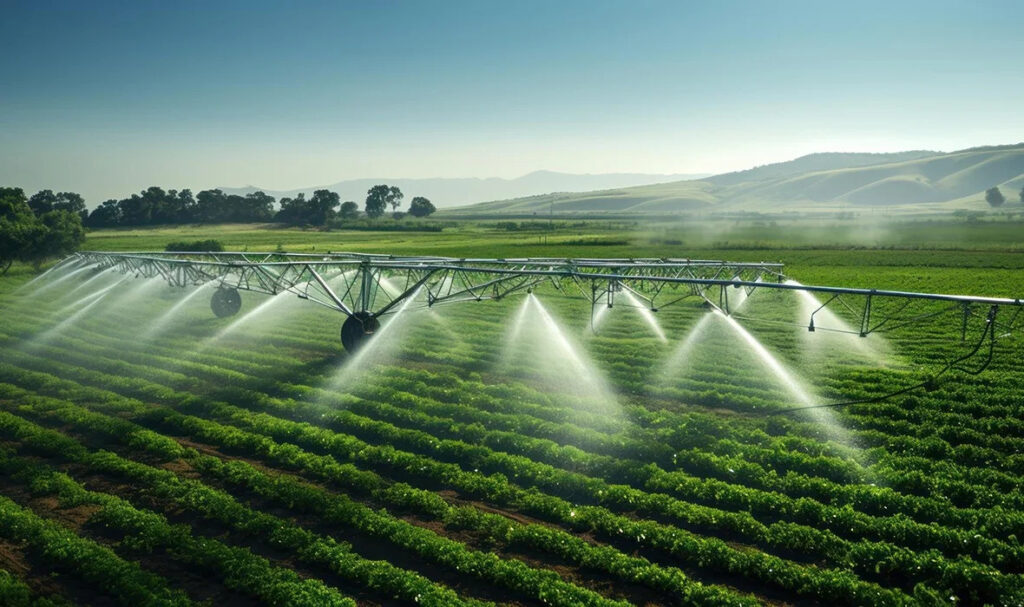
We specialize in a full range of systems, including drip irrigation, sprinkler systems (fixed and rotating), center‑pivot and lateral‑move machines, and subsurface drip irrigation (SDI). Each solution is tailored to your farm’s size, crop type, and water availability.
We guide communities in forming Water User Associations (WUAs), train members on system design and operation, and establish transparent water‑allocation and maintenance plans. This collaborative approach fosters local ownership, improves cost recovery, and ensures long‑term sustainability.
Yes. We can equip both drip and sprinkler networks with fertigation units to deliver nutrients alongside water. We also install soil‑moisture sensors and weather stations that feed data to automated controllers, optimizing irrigation schedules and conserving resources.